
Article
The Days Leading to Separation in Lee Kuan Yew’s Own Words
18 April 2026
Topics
History
People
The final agreement that separated Singapore from Malaysia had to be negotiated with great secrecy. After it was signed, senior leaders in Singapore had to be persuaded that there was no other solution.
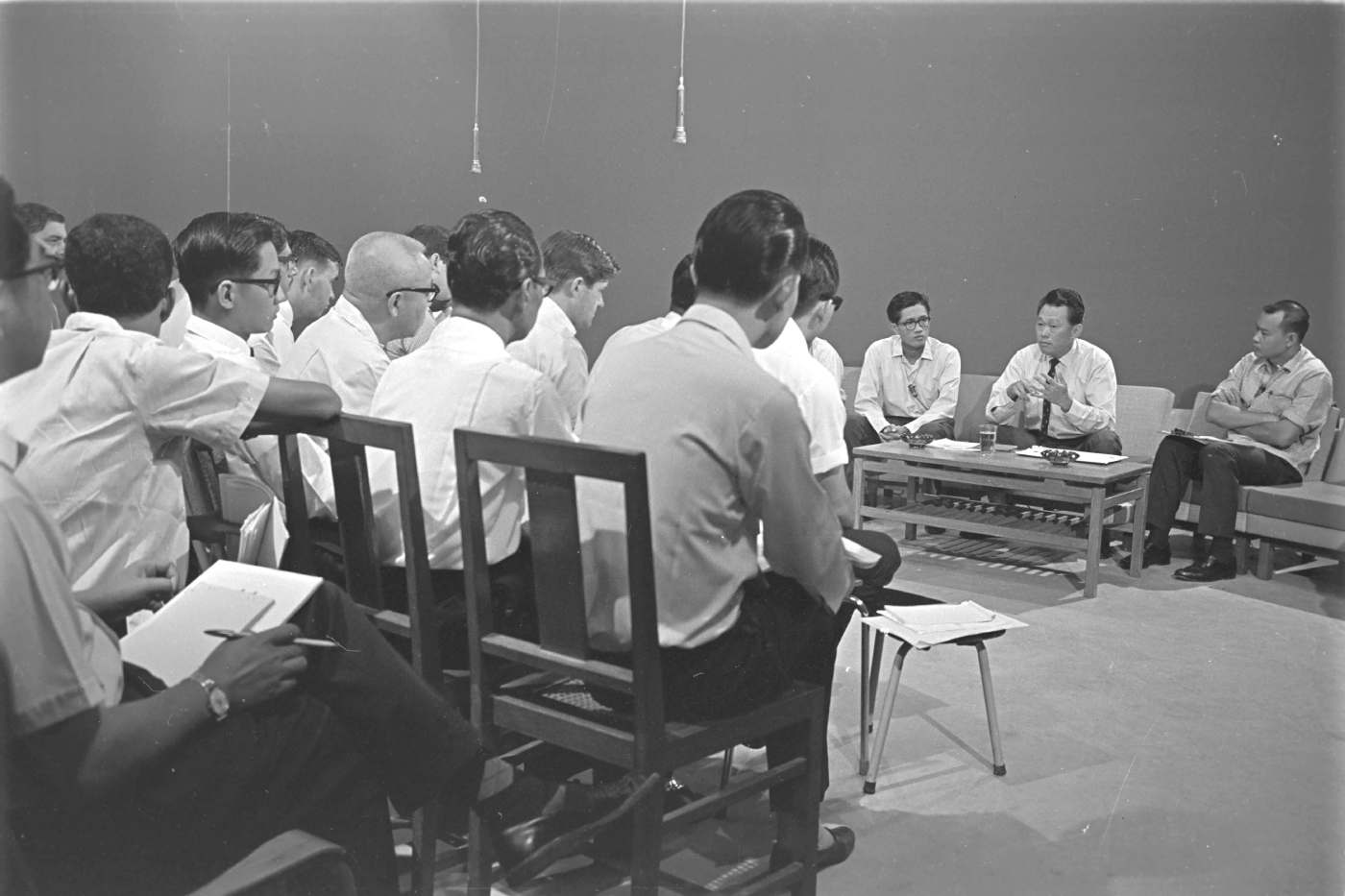
Prime Minister of Singapore Lee Kuan Yew (second from right) holding a television press conference to announce the separation of Singapore from Malaysia on 9 August 1965. Tearing up, Lee called it a “moment of anguish”. Ministry of Information and the Arts Collection, courtesy of National Archives of Singapore (Media - Image No. 19980002854 - 0006).
This is an extract from the book, The Albatross File: Inside Separation (opens in new tab), edited by Susan Sim. It is a transcript of an oral history interview that Tan Kay Chew conducted with Lee Kuan Yew in his office at the Istana between 5 and 22 May 1982.1 In it, Lee talks about the days immediately before Singapore became independent on 9 August 1965.
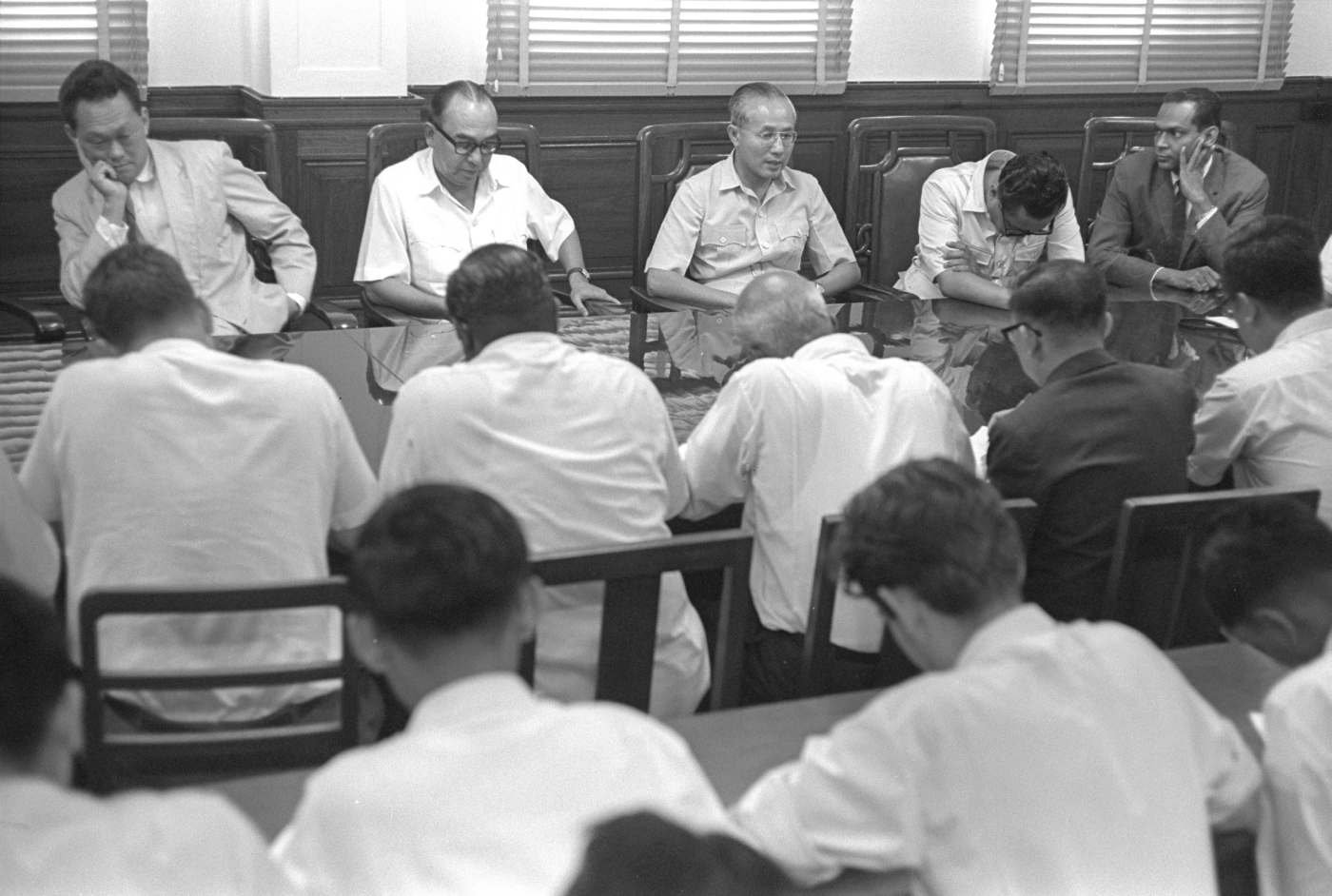
(From left) Prime Minister Lee Kuan Yew, Malaysian Acting Prime Minister Tun Abdul Razak Hussein, Malaysian Finance Minister Tan Siew Sin, and Malaysian Agriculture and Cooperatives Minister Khir Johari at a press conference on 22 July 1964 to address the racial riots that erupted the day before. The unrest was a precursor that led to Singapore’s separation from Malaysia. Ministry of Information and the Arts Collection, courtesy of National Archives of Singapore (Media - Image no. 19980000395 - 0057).
Lee had gone up to Cameron Highlands in early August with his family, ostensibly to rest before the Federal Parliament was scheduled to meet.2 In reality, he was waiting for Finance Minister Goh Keng Swee and Law Minister Eddie Barker to iron out the final points of the Separation agreement with their Malaysian counterparts. This had to be done in secret because if the British had gotten wind of what was happening, they would have found a way to stop it. There were also other forces within both Singapore and Malaysia that would have objected strongly to the Separation had they known it was in the offing. Separation had to be presented to the world as a fait accompli.
Here, Lee presents his perspective of this key event. He also describes how he and Goh subsequently had to convince the rest of the leadership of the People’s Action Party to accept that Singapore had to separate from Malaysia.
__________________________________________________________________________________
So I went up to Cameron Highlands – rested, played golf, played with the children, brought the three of them out, walked around, and waited for my telephone call.
I am not sure whether the call was on 5 August… but I got to Kuala Lumpur on 6 August. I left my family at Cluny Lodge [in Cameron Highlands]. [I] travelled overnight quietly so that my movements would not be noticed by anybody. Because this was nearing the crucial period where either the Tunku [Malaysian Prime Minister Tunku Abdul Rahman] did what he wanted or the Tunku… changed his mind, in which case it’s off. But in any case, if it was going to come off, then there must be no leakage.
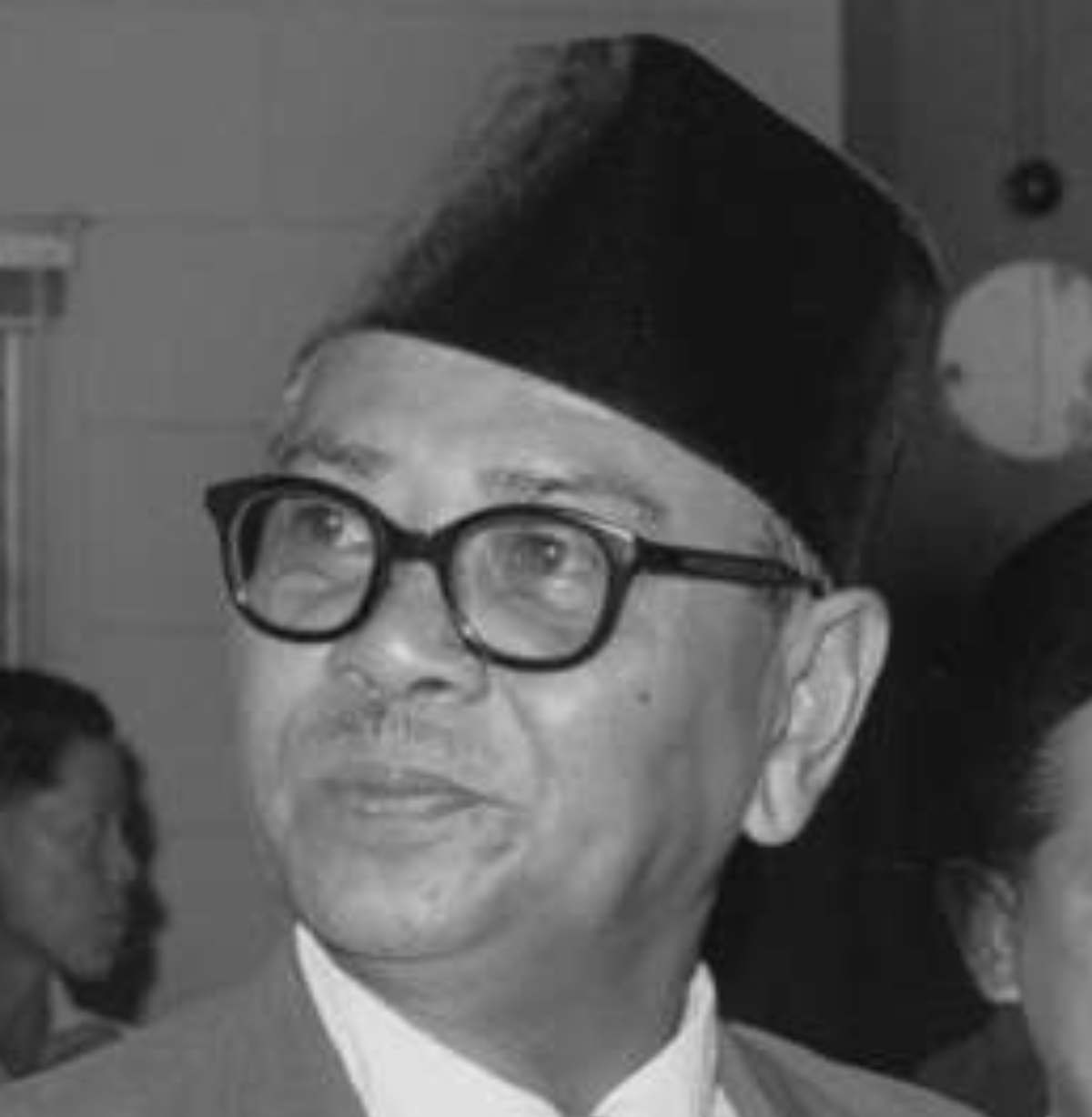
Malaysian Prime Minister Tunku Abdul Rahman, 1961. This is a cropped portion of a larger photograph. Ministry of Information and the Arts Collection, courtesy of National Archives of Singapore (Media - Image No. 20120000290 - 0056).
I met Goh and Eddie Barker; they had arrived before me at Temasek House. Documents were there, ready. I looked at them. And they went off that afternoon to meet Razak [Malaysian Deputy Prime Minister Abdul Razak Hussein] and Ismail [Malaysian Minister of Internal Security and Home Affairs Ismail Abdul Rahman] and Kadir Yusof [Malaysian Attorney General Abdul Kadir Yusof] [at Razak’s office].
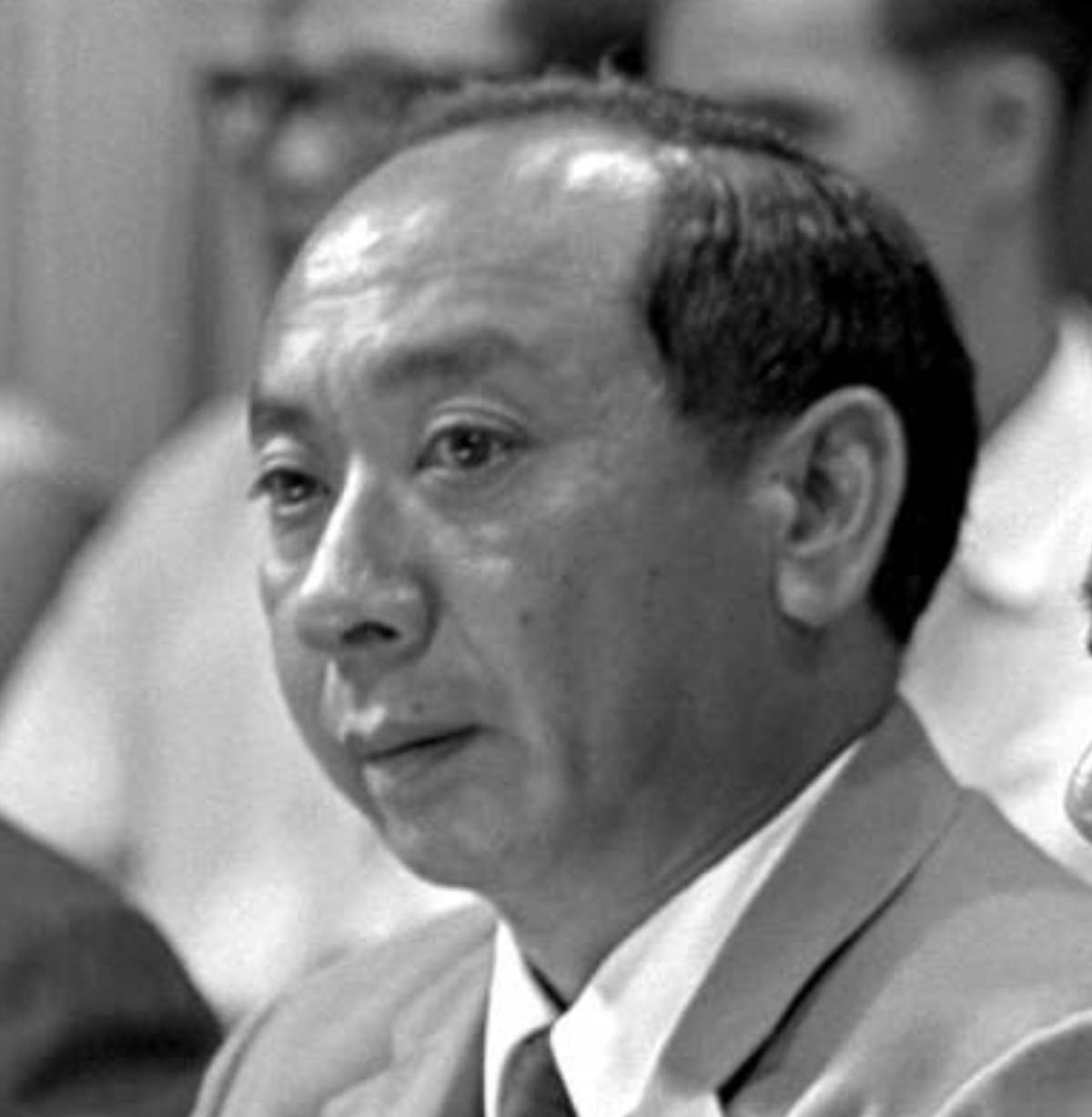
Singapore Minister for Finance Goh Keng Swee, 1965. This is a cropped portion of a larger photograph. Ministry of Information and the Arts Collection, courtesy of National Archives of Singapore Media - Image No. 19980000608 - 0051).
And it went on for hours! I waited at Temasek House. According to Eddie Barker’s recollection, from the office, they adjourned to Razak’s house… and had dinner and waited until all the documents were typed, because Siew Sin [Malaysian Minister of Finance Tan Siew Sin] wanted some amendments – that all the guarantees the Central Government had given for International Monetary Fund or World Bank loans to Singapore would be reassumed by the Singapore Government and no longer the responsibility of the Federal Government. So that was drafted. [Barker] spoke to me on the phone and I said, “yes, of course”.
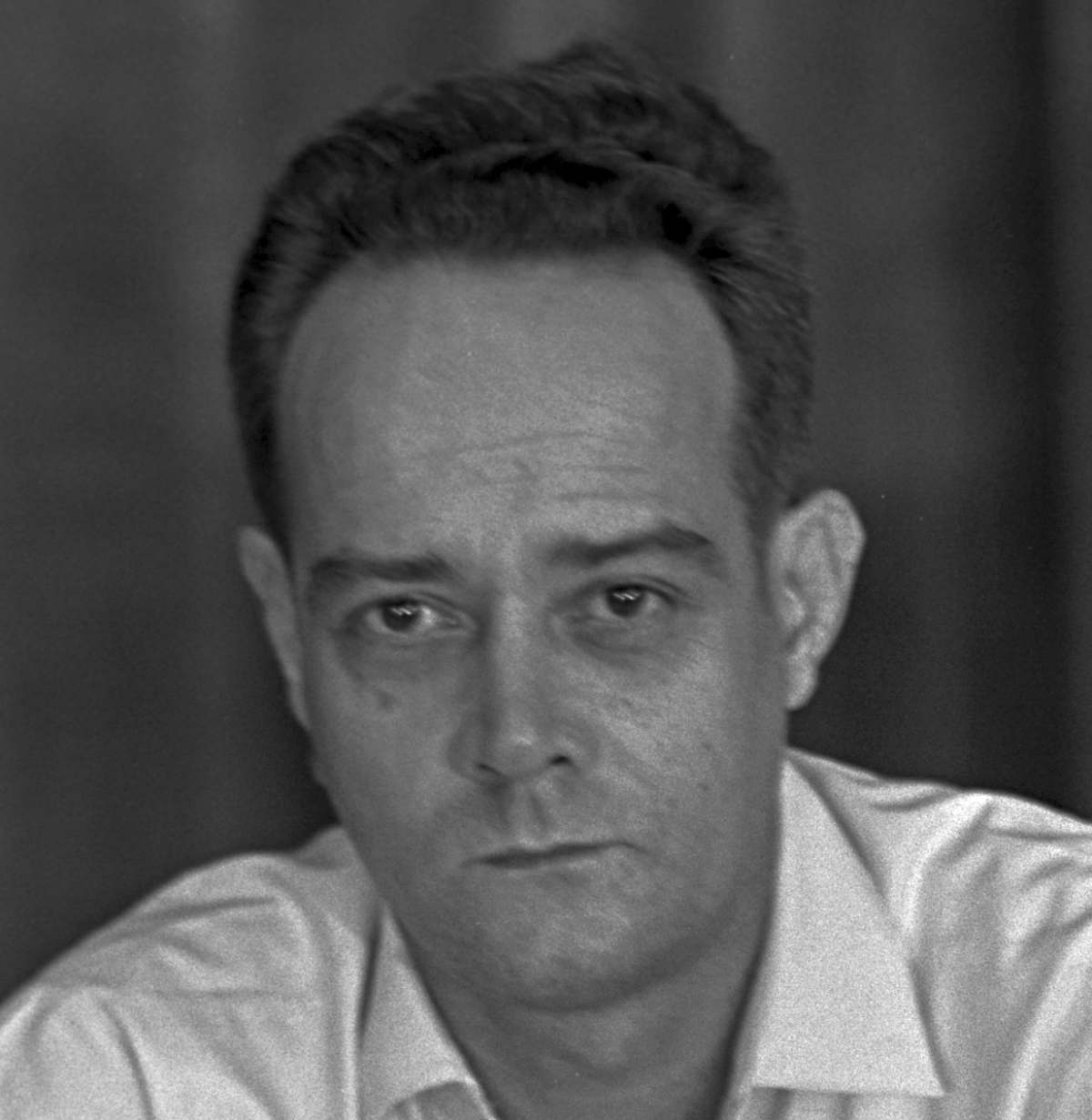
Singapore Minister for Law and National Development E.W. Barker attending the Malaysian Solidarity Convention at the National Theatre, 1965. This is a cropped portion of a larger photograph. Ministry of Information and the Arts Collection, courtesy of National Archives of Singapore Media - Image No. 19980002891 - 0067).
And, again according to Eddie Barker, Razak’s stenographer was so unaccustomed to these legal documents, they were getting nowhere because the typing was so slow and they had to type it on Razak’s note paper. So Wong Chooi Sen [cabinet secretary] and Teo Ban Hock [Lee’s personal assistant], who had gone up to KL with Eddie, were waiting outside Razak’s office and were summoned to do the typing. And they3 did the typing probably from the afternoon right up till after dinner. I think it must have gone on till about past midnight, according to Eddie Barker’s recollection. In his recollection, they were all drunk, waiting for the documents to be prepared to sign. … And he was the only one who was still compos mentis and wanting to read the document before he signed it. And Razak said, “No, it’s your own typist. Sign it!” So he signed it, without reading it. As he said, “Sign buta” [sign blind]. When he came back [to Temasek House] and read it, he was relieved that there was no mistake. He gave me the documents, and according to him, I thanked him and said: “We’ve pulled off a bloodless coup!”
Because once we had those documents signed, even if they did not go through Parliament with their three readings, those signatures, that agreement and the declaration, would change the whole texture of our relationship.
I knew that, well, we had gone thus far and my problem was now to meet the Tunku. I saw him the following day, 7 August.4 I think I waited for quite some time in his sitting room whilst he was in his dining room. There’s a sort of glass door between the two [rooms] – both air-conditioned – at his Residency. And then he came out, sat with me alone, must have taken about 30 to 40 minutes. And I put it to him: “Look, we have spent years to bring about Malaysia. The best part of my adult life was to work towards Malaysia. From 1954 to 1963. We have only had less than two years. Do you really want to break it up? Don’t you think it’s wiser to go back to our original plan, which the British stopped, which was a looser federation or a confederation?”
But there’s a decisive quality about the Tunku when he makes up his mind, the exact opposite of Razak. When he’s made up his mind, there’s no reopening of the subject. He said: “No, I’m past that. There is no other way now. I’ve made up my mind. You go your own way, we go our own way. We can be friends again. So long as you are in any way connected with us, we will find it difficult to be friends because we are involved in your affairs and you will be involved in our affairs.”
And the finality – conveyed not only in his voice but in his manner – was so conclusive that I did not try to push my point of view: that he should really consider the rearrangements [that we had discussed earlier]. So I dropped the matter altogether. I had prepared myself for a long session with him. Once I saw that something had happened, in his mind this was over, I said: “Right, my problem now is with Toh [Deputy Prime Minister Toh Chin Chye], Rajaratnam [Minister for Culture S. Rajaratnam], Ong Pang Boon [Minister for Education], Yong Nyuk Lin [Minster for Health] – all those Singapore ministers whose families are in the Federation.”
So that night when Eddie came back with Keng Swee to Temasek House with the documents signed, I spoke to Toh and asked him to get a car and drive up. I spoke to the Istana operator, who was a very good man – we gave him a medal [later], he was really first-class. I arranged with the Istana operator to get hold of the driver at that time of night to pick up Toh and drive him up, so that he would be [in KL] first thing tomorrow morning [i.e. morning of 7 August].
Then I spoke to Rajaratnam and said, “you come up by air first thing tomorrow morning”.5 I did not want both of them to come up together: first, because it might arouse speculation that something was up; second, the two of them, coming up together, would reinforce each other and stiffen their resolve against any rearrangements. And this was not a rearrangement, this was a break-up! So there was going to be very stiff resistance from the two of them. So I thought [better to] have them come up separately.
Toh arrived first. He arrived by car as Eddie Barker was about to leave. Eddie Barker left by the back door to avoid giving Toh the impression that, you know, there had been a Singapore-born ministers’ faction.
Toh was upset, disturbed and most reluctant to sign. I showed him the documents, explained to him. Then Rajaratnam arrived shortly afterwards. Goh was there too. We sat down, talked to him.
And for hours, they contemplated this awful decision. Toh was sitting at the desk for part of the time, at the foot of the steps going upstairs, just outside the dining room. And on the verandah outside the sitting room was Rajaratnam, puffing away with his cigarettes. I’d stopped smoking by then and [the smoke] bothered me, so he was sitting outside puffing away, determined to go on regardless.
I told Toh: “Look, why not see the Tunku? You don’t believe me, I mean, the old boy says he can’t hold the situation. You better see him because I have seen him and I’ve come to the conclusion this is beyond argument.”
So I went to see the Tunku and said: “Look, I’ve got two ministers. They are not going to sign. They are absolutely adamant. Their families are here. They want to see you.” He said: “No, I don’t want to see them. Nothing more to discuss. You tell them.” I said: “No, I’ve told them! At the least you must write to them. Then they will take your word for it if they’ve got your own handwriting.”6 So he went to his desk and wrote this letter to Toh. Said: “Here, give him this. There’s no need to discuss anything. It’s finished.”7
This was in the afternoon [of 7 August]. Gave [the Tunku’s letter] to Toh, and then only he realised that this was [the] breaking point. And I told him that if he did not accept Separation and he wanted to go on, then I would not go through with it because there’d be a split in the Singapore leadership and confusion amongst our followers, both in Singapore and in Malaysia.8 I would be prepared to abide by their decision not to sign, not to break, but they would take the responsibility. They would lead the Malaysian Solidarity [Convention] movement.9
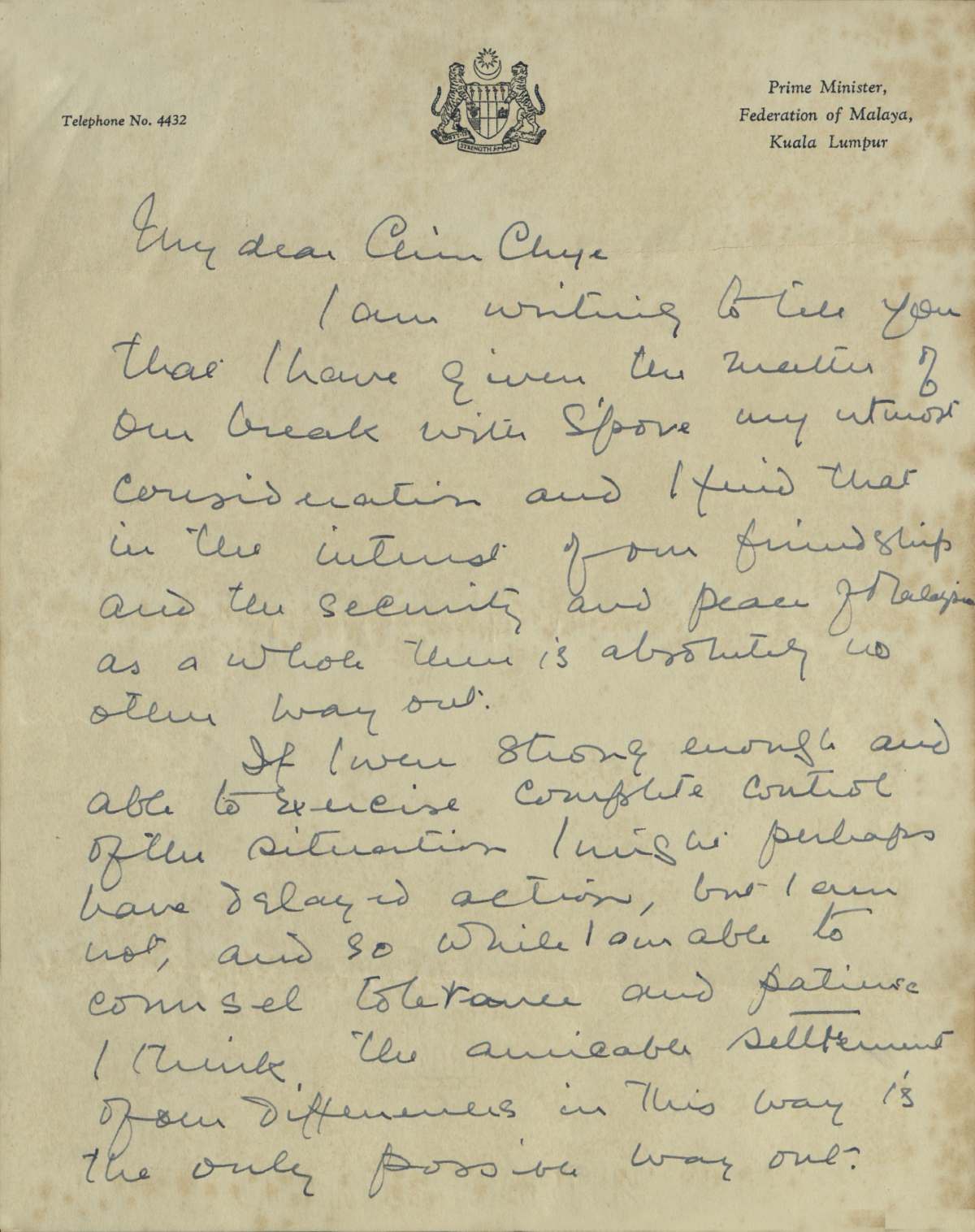
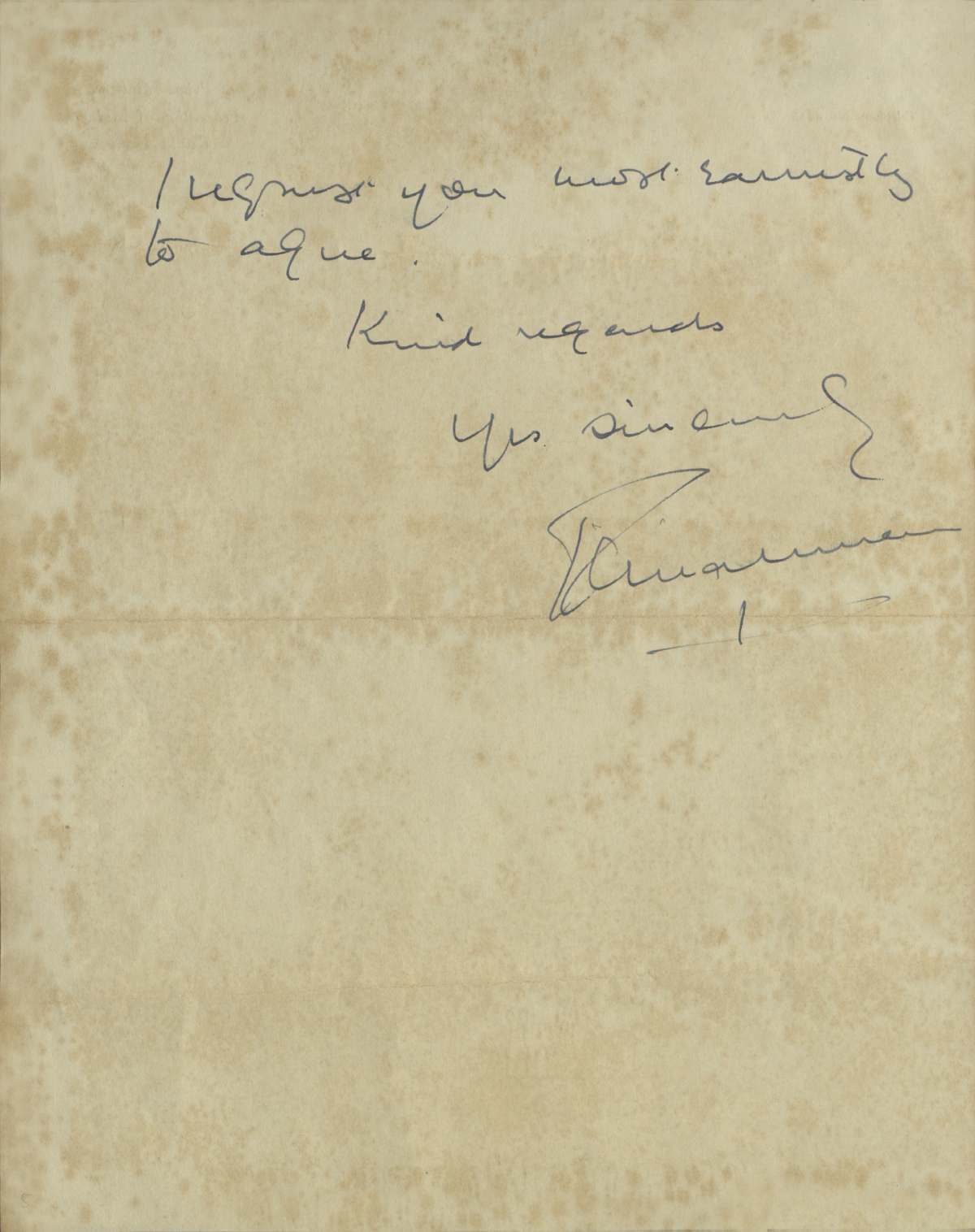
I think that clinched the argument because they knew that then blood would be on their hands. And [Toh] signed, then Rajaratnam signed. Then I faced the problem of getting Ong Pang Boon, who was still in Singapore.10 I didn’t want all of them up because then there’d be too strong a Malaysia-born ministerial faction. And I did not want to take a commercial flight in case I ran into British, Australian or New Zealand diplomats and others. I explained the problem to the Tunku, and they arranged for [a] Royal Malaysian Air Force plane to fly me down to Singapore on Sunday morning [8 August]. I arranged to meet [the other Singapore ministers] at Sri Temasek by lunchtime.
Meanwhile, of course, my family had caught up with me. They had come down by road [from Cameron Highlands on August 7] and they all had to sleep on the floor [in Temasek House] because other ministers were there occupying other bedrooms. So I told them on Sunday, they’d go down by road. I took the plane. They’d arrive late on Sunday evening. Monday [9 August], 10 am, was [the] Separation Day announcement, so I wanted them back here [in Singapore], not on the road, in case riots broke out or disorders took place.
I got back. The Singapore ministers like Jek [Minister for Labour Jek Yeun Thong], Othman Wok [Minister for Social Affairs], they had no emotional problems. They were not jubilant or relieved, they were just, “well, if this is the way it has to be, so be it”. They signed it. Yong Nyuk Lin [also signed]. He was less involved emotionally, I think, because his family had moved down from Seremban to Singapore.
Ong was the last to sign.11 He was extremely upset, very reluctant. But he saw Rajaratnam’s signature, Toh’s. I said, “well, there was no other way, otherwise they would not have signed”. So finally, he signed.
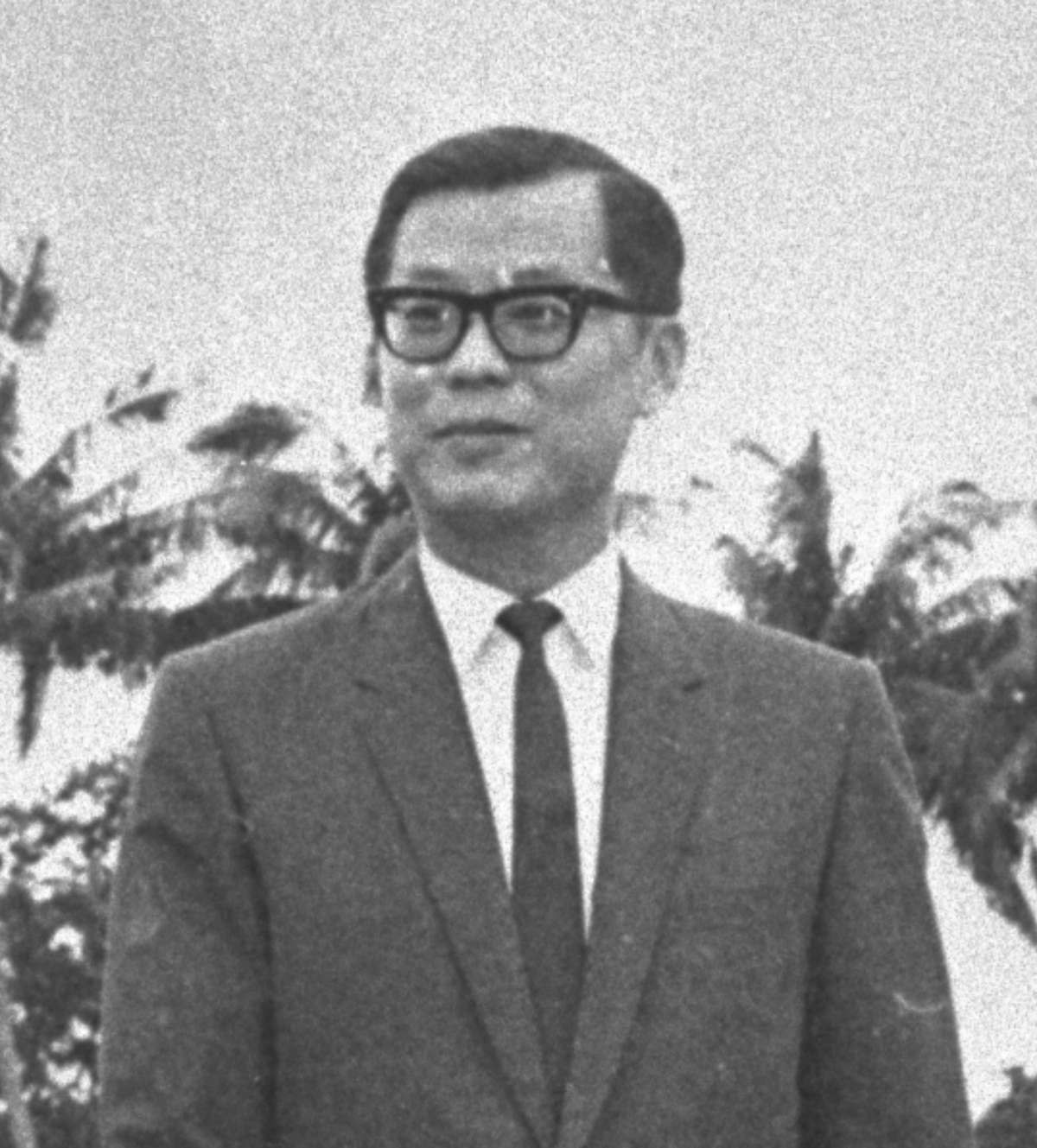
Singapore Minster for Education Ong Pang Boon, 1965. This is a cropped portion of a larger photograph. Raffles Institution Collection, courtesy of National Archives of Singapore Media - Image No. 19980005062 - 0005).
By that time, it was late Sunday afternoon. And we got all these documents. I had Stanley Stewart [the Permanent Secretary in the Prime Minister’s Office] standing by, and the Government printers, they were all at work, locked up incommunicado, to get all these documents ready for a special Gazette at 10am [on] Monday, 9 August 1965. I gave [the documents] to Stanley Stewart.
That night, I slept at Sri Temasek. My wife and children [had] arrived late afternoon. Spent a fitful night tossing and turning because it was very upsetting, we were letting down so many people. Then came Monday morning after a very restless night. I [had got up] three, four times in the night, making notes for contingencies. ... And 10 am, 9 August, [the announcement] went out. I decided not to announce it myself, just announce it by Gazette and by radio, but that I would hold a press conference [later] and explain. …
And it was the most painful press conference I’ve had in my life because it was really an admission of defeat. What we tried to do, bringing Malaysia about, had failed in less than two years after more than 13 years of effort, from 1950 to 1963… in two years we’d given it up. And we were also letting down all our… not just political partners in the [Malaysian] Solidarity Convention, but a lot of people who had their hopes raised of a different kind of future, because of our participation in Malaysia and the kind of Malaysia we were prepared to fight for. And we had to abandon [them] because there would have been bloodshed. And I think there would have been. The Tunku could not hold his Ultras back.
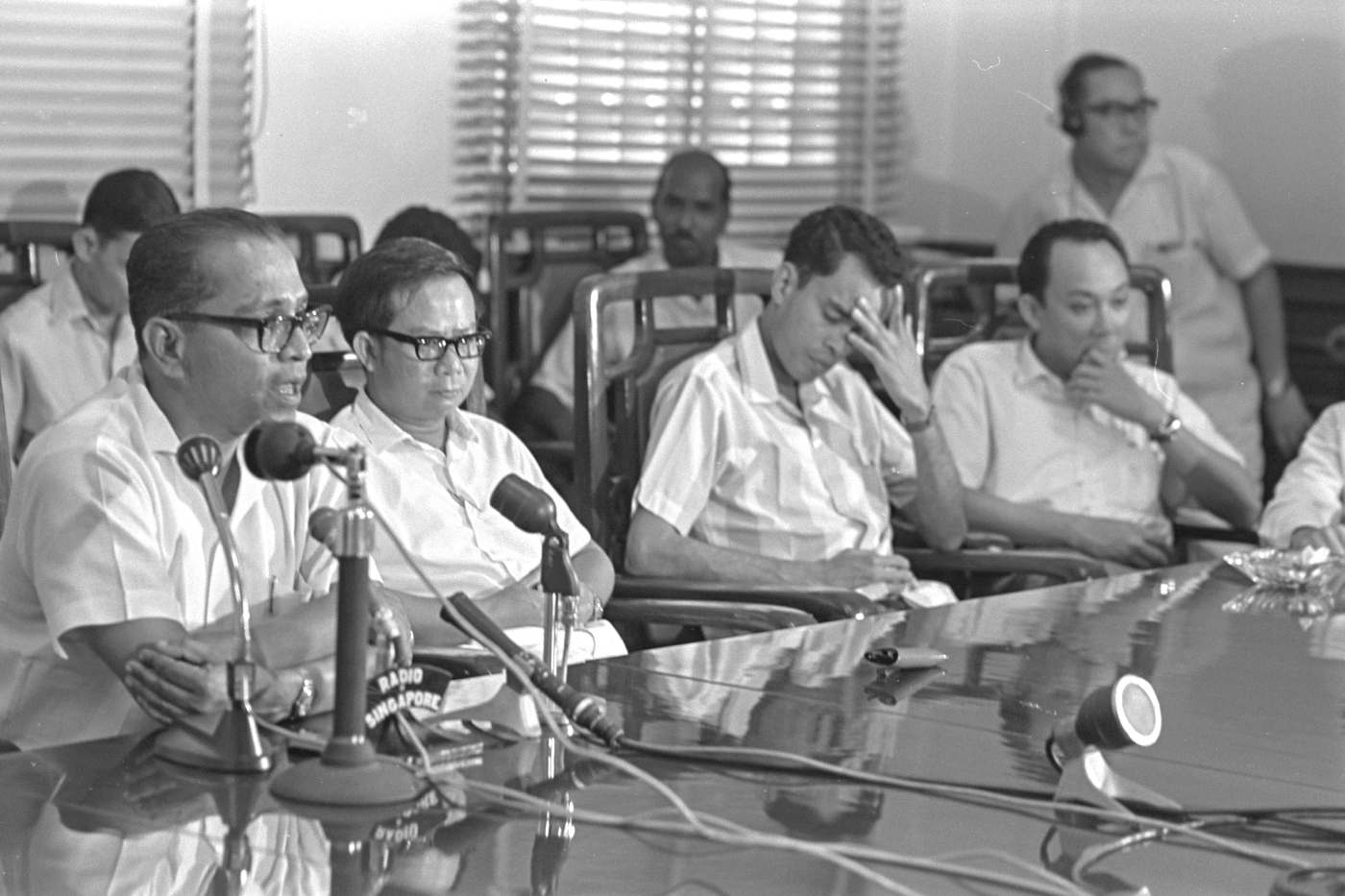
Deputy Prime Minister Toh Chin Chye (second from left) at the press conference on the separation of Singapore from Malaysia, 12 August 1965. On the extreme left is future president of Singapore Devan Nair. Ministry of Information and the Arts Collection, courtesy of National Archives of Singapore Media - Image No. 19980000615 - 0027).
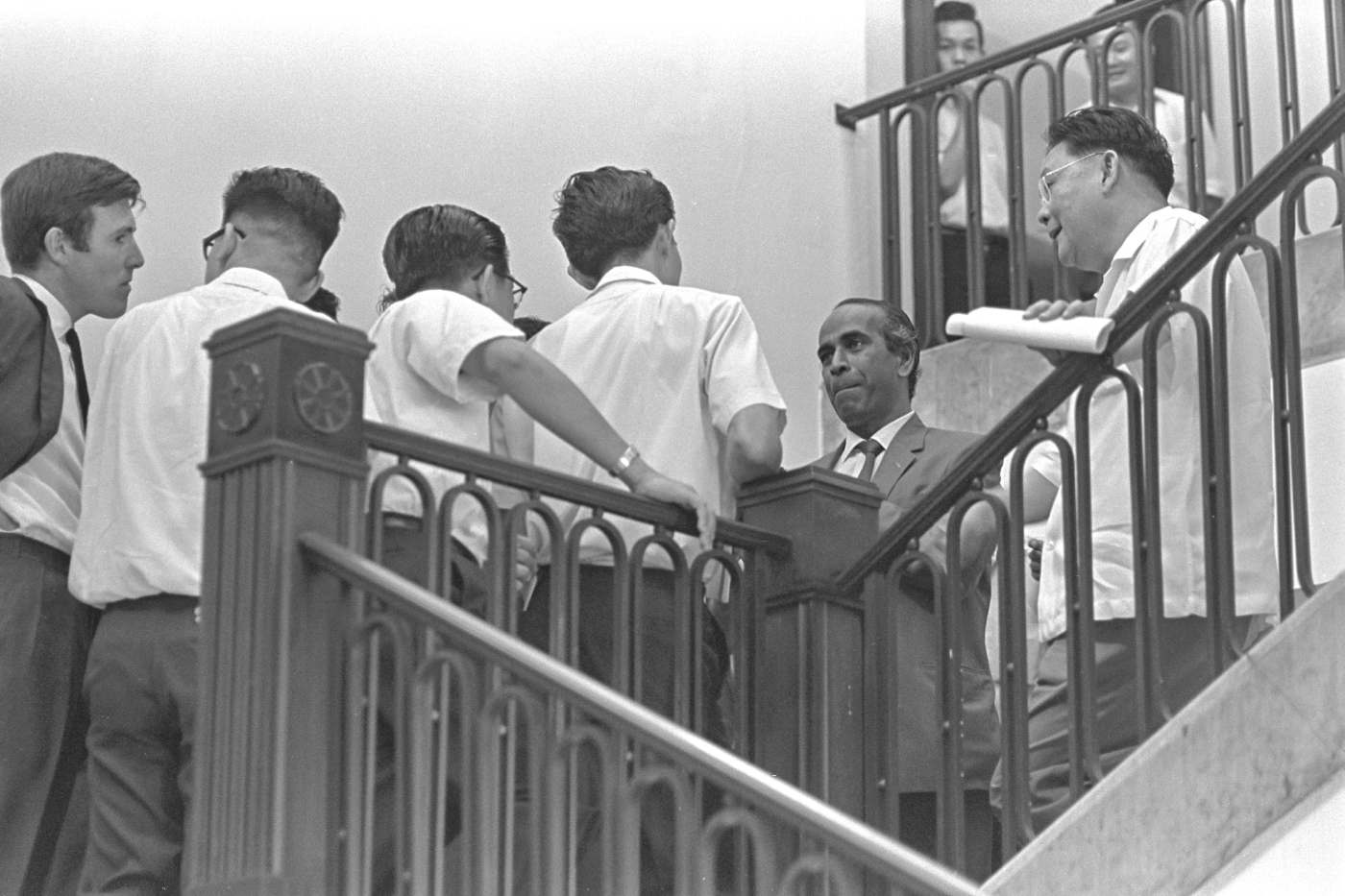
Singapore Minister for Foreign Affairs S. Rajaratnam speaking to reporters at the press conference on the separation of Singapore from Malaysia, 12 August 1965. Ministry of Information and the Arts Collection, courtesy of National Archives of Singapore Media - Image No. 19980000615 - 0019).
ALBATROSS EXHIBITION AND BOOK
The Albatross File is a secret file kept by Minister for Finance Goh Keng Swee, documenting the secret talks that led to Singapore’s separation from Malaysia. It contains Cabinet papers, memorandums as well as Goh’s handwritten notes of his discussions with Malaysian leaders in the tense days, weeks and months leading to Singapore’s independence on 9 August 1965. The original Albatross File has been in the custody of the National Archives of Singapore since 1996.
In conjunction with newly declassified documents and oral history accounts, a permanent exhibition, The Albatross File: Singapore’s Independence Declassified (opens in new tab), and a book edited by Susan Sim, The Albatross File: Inside Separation (opens in new tab) (National Archives of Singapore and Straits Times Press, 2025), were launched in December 2025.
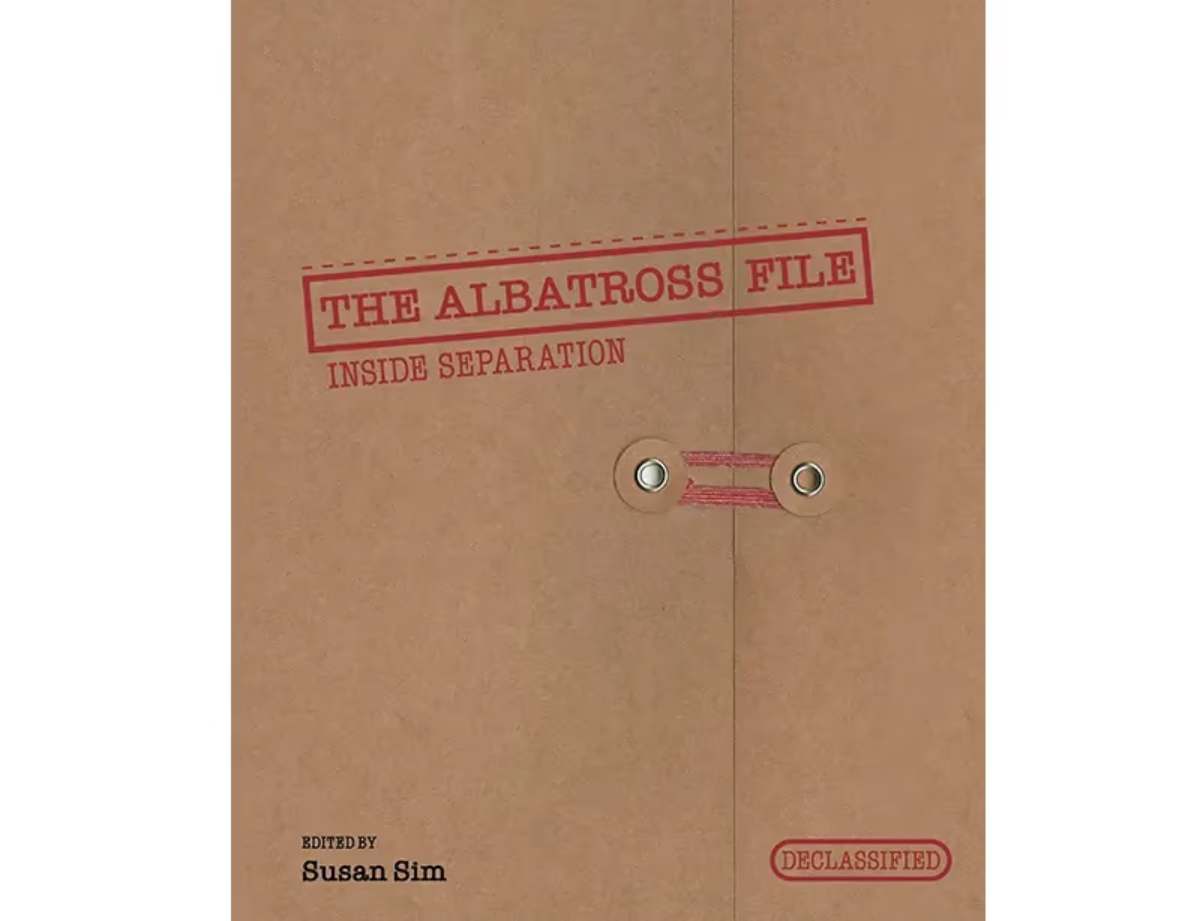
Jointly organised by the National Library Board and the Ministry of Digital Development and Information, the exhibition on Level 10 of the National Library Building aims to deepen visitors’ understanding of Singapore’s journey to independence through interactive storytelling, historical replays and first-person narratives of Singapore’s founding fathers.
The book contains essays on merger and separation, documents from the Albatross File and other key documents relating to separation, as well as oral history interviews of key players involved. It is available for reference at the Lee Kong Chian Reference Library (call no. RSING 959.5705 ALB) and for loan at selected public libraries (call no. SING 959.5705 ALB). It is also available for sale at physical and online bookshops.
Endnotes
1 Susan Sim, ed., The Albatross File: Inside Separation (opens in new tab) (Singapore: National Archives of Singapore and Straits Times Press, 2025), 386–462. (From National Library of Singapore, call no. RSING 959.5705 ALB)
2 Lee went on a week’s leave in Cameron Highlands from 2 August to 8 August. The Federal Parliament was to convene in Kuala Lumpur on 9 August 1965. See “Lee on Holiday (opens in new tab)”, Straits Times, 4 August 1965, 1. (From NewspaperSG)
3 In his oral history interview, Barker said he had called Wong Chooi Sen at Temasek House for assistance, and Wong showed up with a typewriter and Lee’s personal assistant, Teo Ban Hock, who typed the final version of the Separation documents. Wong had earlier helped Barker type his drafts in Singapore.
4 Lee’s diary had an entry for 9.30 am on Saturday, 7 August 1965, that was in shorthand and included the letters, “KL”.
5 In an interview with the Straits Times in 1990 for the paper’s 25th anniversary feature on Singapore’s Separation from Malaysia, Rajaratnam said he had telephoned Othman Wok (Minister for Social Affairs) after Lee’s call. In the same article, Othman recalled Rajaratnam asking him to drive both of them and a bodyguard up to Kuala Lumpur. See Leslie Fong, ed., Singapore 25 Years: A Straits Times Special, National Day, 9 August 1990 (opens in new tab) (Singapore: Straits Times Press, 1990), 9–10. (From National Library Singapore, call no. RSING 959.57 SIN-[HIS])
6 Australian High Commissioner Tom Critchley, who was trying to put together a chronology of the developments leading to Singapore’s Separation, wrote in a diplomatic cable to his government on 16 August 1965 that the Tunku had recounted to him a conversation with Lee where Lee had said that he was having trouble persuading Toh and Rajaratnam to agree to Separation. “Lee said it was Goh that mattered and that if he had to choose he would be prepared to do without Toh and Rajaratnam,” Critchley reported. The Tunku had agreed to write his letter to Toh after Lee assured the Tunku that the letter would convince Toh and Rajaratnam to sign the Separation Agreement (Cablegram 315, Critchley to Canberra, 16 August 1965).
7 See Document A on pp. 242–44 of the Albatross File.
8 Lee was apparently still concerned the Singapore leadership might split 24 hours after the Proclamation of Independence, telling British Deputy High Commissioner Frank Mills, who filed a report to London on 10 August 1965, that “he was still worried about the solidarity of the PAP [People’s Action Party] Cabinet, particularly Toh and Rajaratnam”. Mills reported Lee saying that Separation was the “negation of the first article in PAP’s original constitution which called for re-integration of Singapore and Malaya and there was still risk they [Toh and Rajaratnam] would abandon Goh Keng Swee and himself as men of no principle for advocating [Separation]. If any did [leave the government,] he could not hold [his] position in Singapore. …. Toh had already offered to resign, and might do so again” (Telegram 215 from Singapore Deputy High Commissioner to Commonwealth Relations Office, 10 August 1965, PREM 13/589).
9 According to Rajaratnam’s biographer, Irene Ng, who interviewed Lee in 2005, Lee had, on 7 August 1965, said to Toh: “Look, the Tunku won’t see you, but if you don’t trust my judgement – that really I think he will not be able to hold the situation – then I will become your deputy and you become prime minister and you take full responsibility for what I am sure must be a deliberate build-up towards a bloodbath.” Toh signed the Separation Agreement shortly after, followed by Rajaratnam. See Irene Ng, “S Rajaratnam on the 1965 Separation: ‘My Dreams Were Shattered’,” Straits Times, 13 July 2024, https://www.straitstimes.com/opinion/s-rajaratnam-on-the-1965-separation-my-dreams-were-shattered (opens in new tab).
10 Ong was already in Kuala Lumpur that weekend to organise a Malaysian Solidarity Convention meeting. In his memoirs, Lee wrote that Toh had helped persuade Ong to sign the document. Ong would thus have signed the Separation Agreement in Kuala Lumpur as he did not return to Singapore till after it became independent.
11 Ong may have been the last to sign among the seven Singapore ministers who were in Kuala Lumpur on 7 August – after Goh, Barker, Othman Wok, Toh, Rajaratnam and Lee himself.