
Article
What Makes an Animal Singaporean?
Topics
Nature
6 May 2026
In a BiblioAsia Podcast episode, editor-in-chief Jimmy Yap interviews environmental historian Timothy P. Barnard, who tells us how migrant animals such as otters came to be in Singapore and what makes them Singaporean.
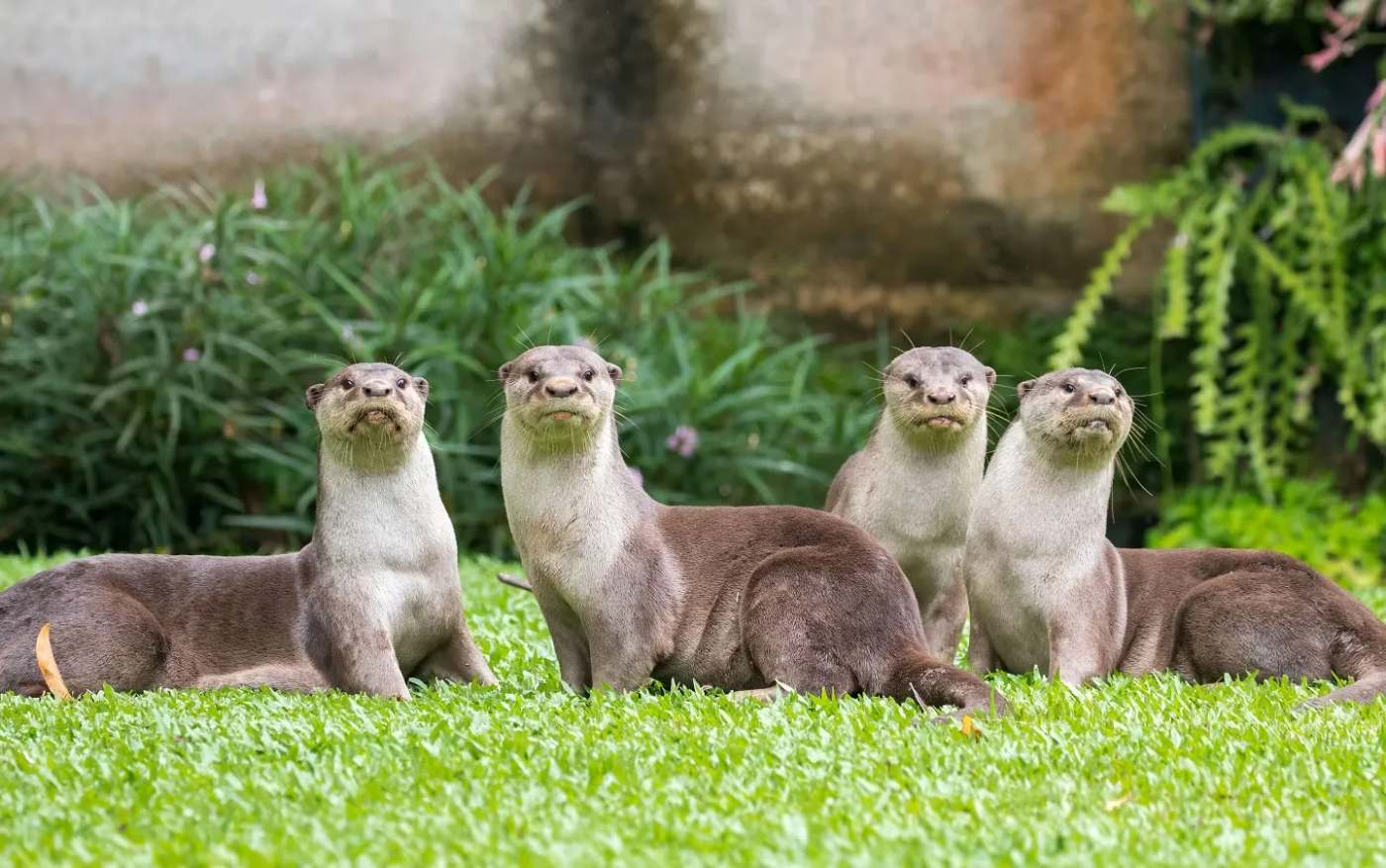
Otters in Singapore. Photo by Max Khoo.
Timothy P. Barnard is an associate professor in the department of history at the National University of Singapore, specialising in the environmental and cultural history of Southeast Asia. He is the editor of the book, Singaporean Creatures: Histories of Humans and Other Animals in the Garden City (NUS Press, 2024).

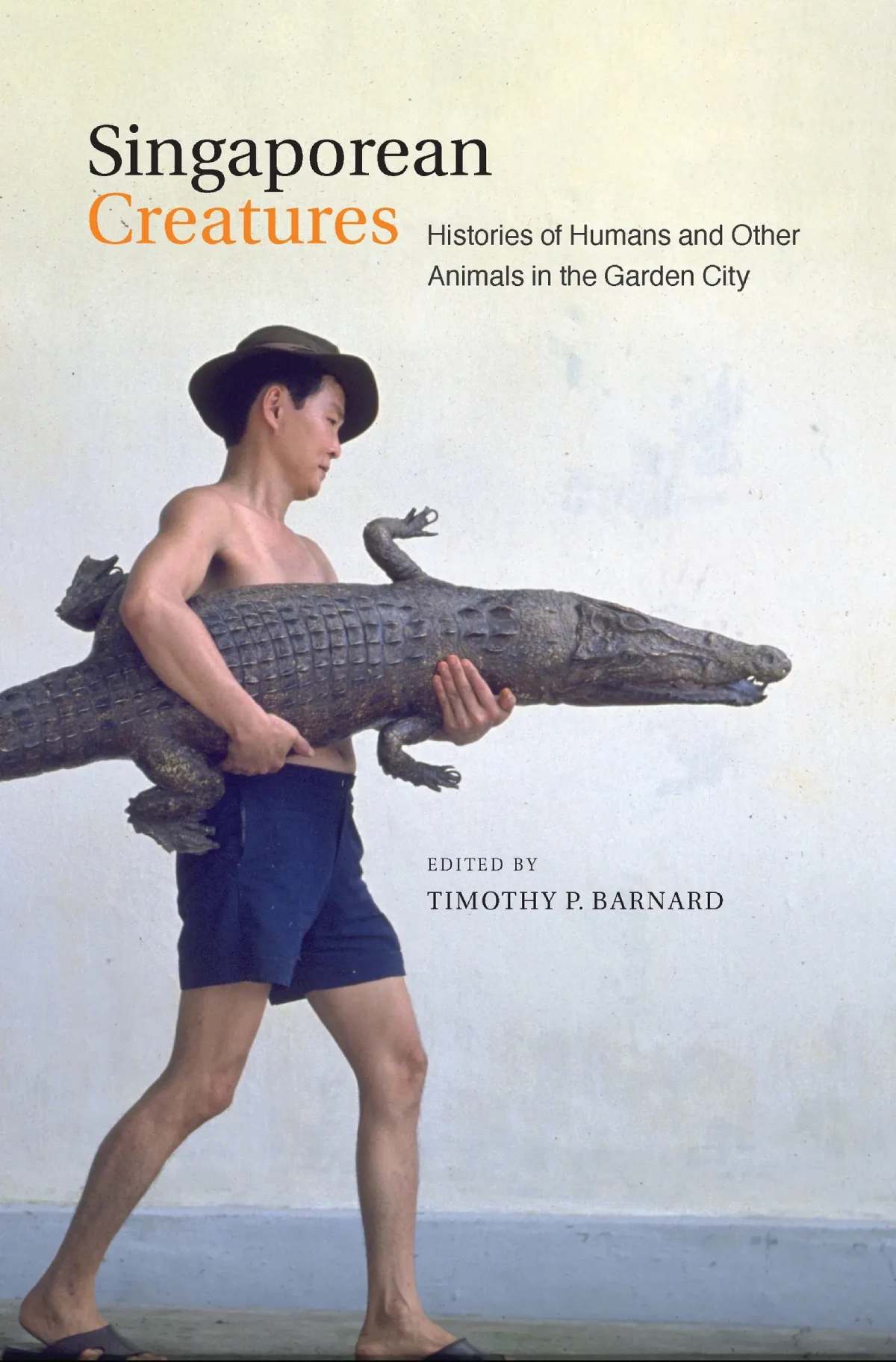
Tim
The otters are interesting because they are a species that was extinct, or they were not found in Singapore. They were present here and then they disappeared for several decades, often due to pollution of water, urbanisation and such issues. They made their comeback over the last 10, 15 or 20 years because of, as you said, the rewilding of Singapore, kind of the replanting, the greening. They’re almost a result of things such as the cleaning up of waters, the Singapore River, forested areas.
And so, our current otter population migrated from Malaysia via Pulau Ubin and other places on the northern shores of Singapore. Then they multiplied. And as they created families, these families would get too big, and they would break off and create more families. We now have hundreds of otters in Singapore today.
Now, they’re cute. They’ve become a mascot. You see them everywhere, and people love encountering them. I see them as a bit nasty because they do kick out members of the family, and they do wander around. They do raid koi ponds and things like that. They’re definitely not tame animals. They can create a little bit of havoc in society. And therefore, I find them very interesting because they are migrants, but they’re returning migrants, if you will. They are creatures that are adorable in some respects, but they also have a nasty edge. They definitely deserve their own chapter in a future edition of the book, but we’ll see if we can get someone to write that.
Jimmy
I just saw a video on my Facebook page of two otter gangs, like, duking it out in a river.
Tim
There you go. Creating havoc.
Jimmy
I mean, otters are really an example of wild animals. But most of our wild animals that we encounter actually end up being in the zoo. Some of these zoo animals end up being very popular with Singaporeans, right? So, you have Inuka the polar bear and Ah Meng the orangutan, and when they died, there was this outpouring of grief. At the same time, I think that a group of people in Singapore have become more ambiguous about zoos.
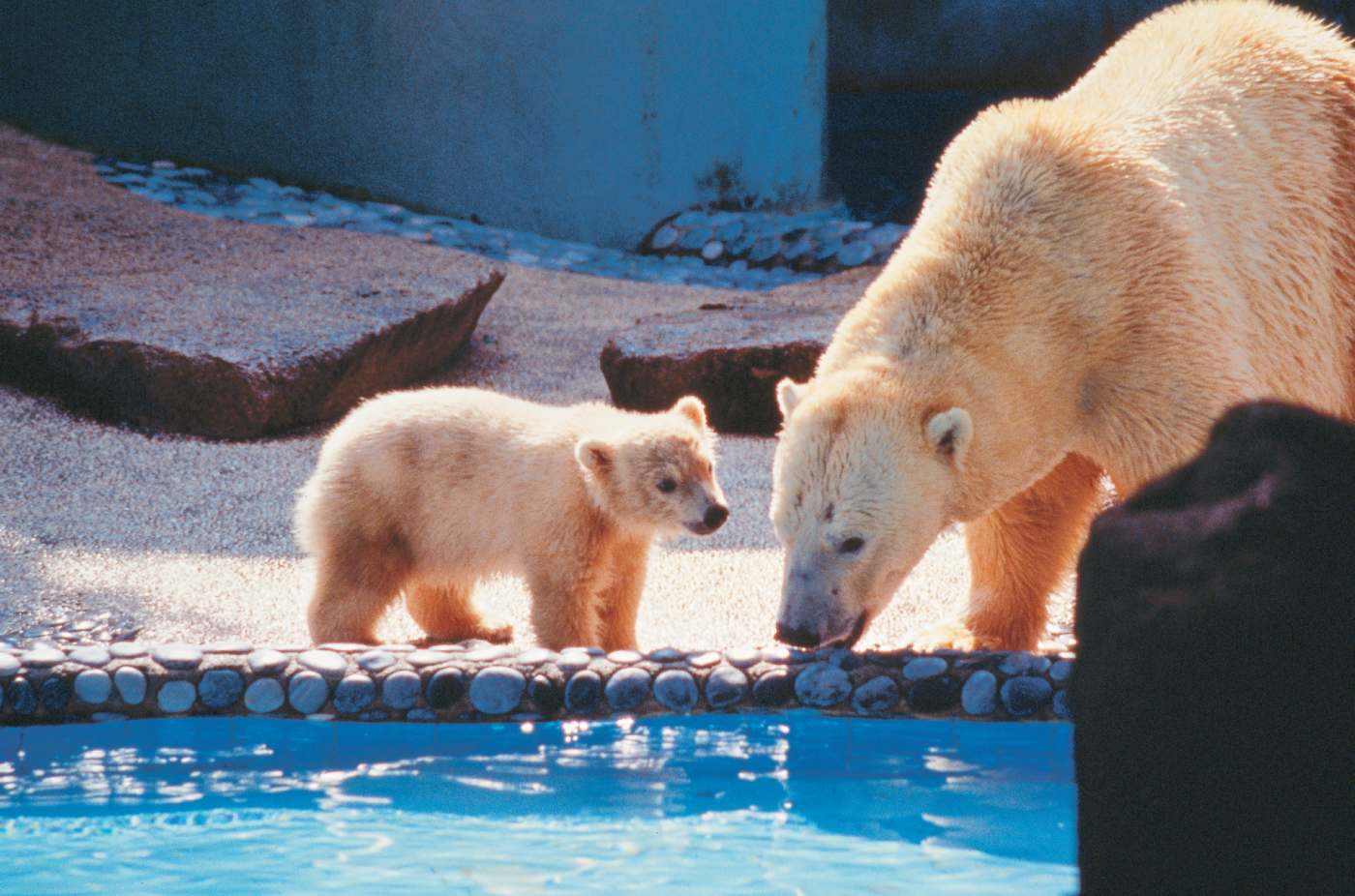
Inuka and his mother Sheba. Inuka was born on 26 December 1990. He was less than a year old in this photo. Courtesy of Mandai Wildlife Group.
Tim
Well, they have. The interesting thing to me about the zoo – and there is a chapter on it [in Singaporean Creatures] by Choo Ruizhi, which I think is very good. And he documents essentially the origins of the zoo and even zoos prior to our current zoo, up through the death of Inuka and what that meant for society and how there was an outpouring of grief.
And what I find very interesting in the chapter is that the zoo was essentially founded by the Tourist Promotion Board working along with PUB [Public Utilities Board], because it’s up there where the reservoirs are and the central catchment area and such. And so, I would have never imagined that, until this was explained to me, it was created almost as a calculated tourist attraction. Like we needed something in Singapore for the tourists to go see and they built the zoo in the mid-’70s. And it became very popular, particularly among Singaporeans. You know, not even tourists, if you will, but Singaporeans would go there.
You have various iconic animals throughout the ’80s and ’90s that many of us are familiar with. It’s also interesting how certain creatures are adopted and beloved in Singaporean society. I don’t want to anger panda fans out there, but I believe that Inuka and Ah Meng had a certain place in the hearts of Singaporeans, much more than those pandas that I don’t even know if they’re still there.
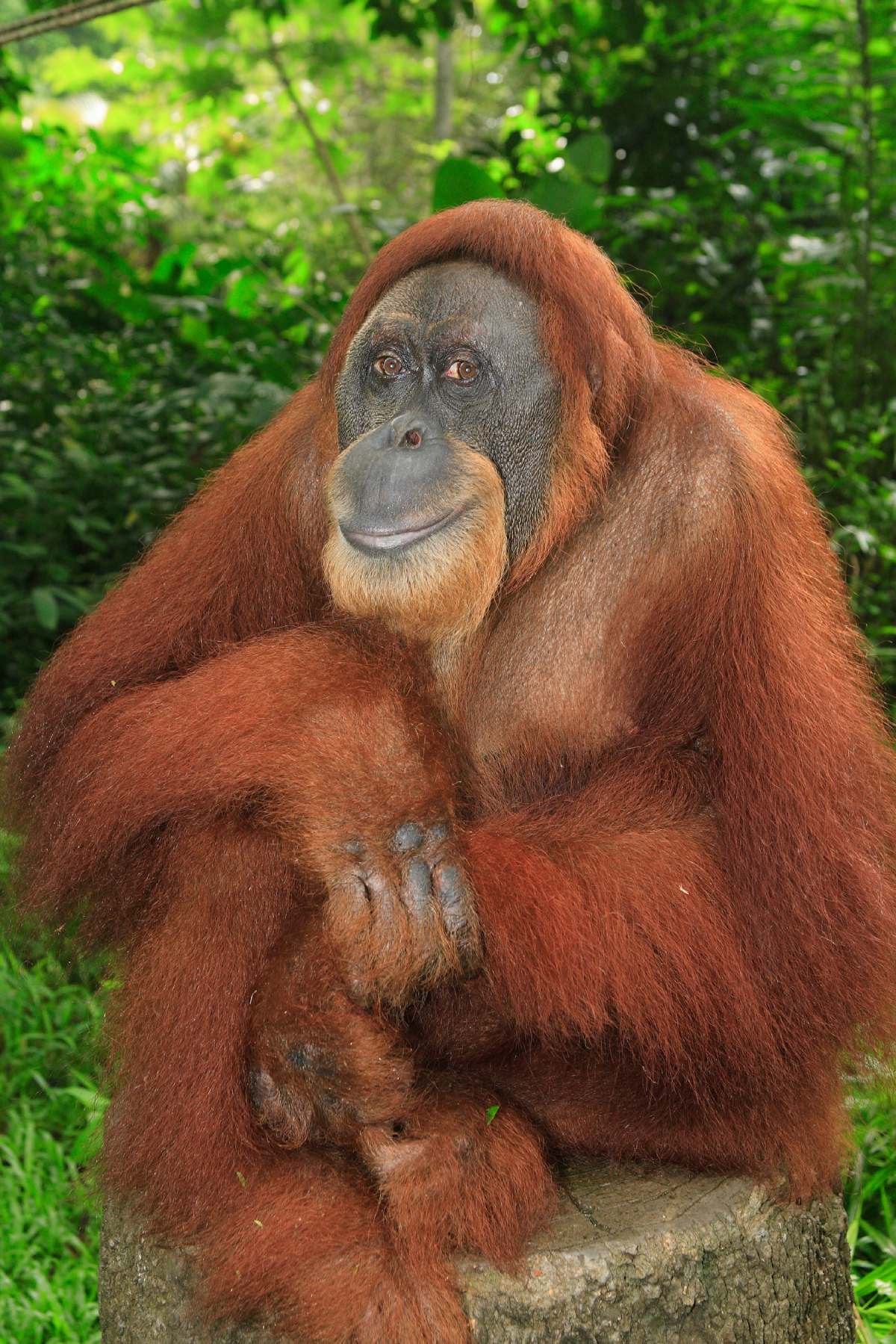
Ah Meng the orangutan striking a post. The photo was taken in the early 2000s. She died in 2008. Courtesy of Mandai Wildlife Group.
But the thing is, even in the chapter, there’s an explanation of a panther named Twiggy that escaped before the zoo even opened and was wild and running around the central catchment area for a year or two before it was found and killed. But that also led to an outpouring of grief from the public.
And so, the public has adopted animals you wouldn’t think they might adopt as kind of their own. And each one of them is not from Singapore. You know, the panther was from Thailand. Ah Meng was a former pet that had been given up in the ’70s, but an orangutan from Sumatra or Borneo. Inuka was born in Singapore.
Jimmy
The only true Singaporean creature.
Tim
It was a polar bear. It’s interesting how you have migrant animals and how they’ve adapted, you know, and it’s almost hard to determine which ones will be the popular ones in this regard, or which ones people will somehow take note of. I mean, you can still go to the zoo and buy little Inuka stuffed animals, years after the passing of the bear.
Listen to the full episode on BiblioAsia Podcast, “What Makes an Animal Singaporean?”
Check out the book, Singaporean Creatures: Histories of Humans and Other Animals in the Garden City (Call no. RSING 304.2095957 SIN).